Explore Cooking Tips by Category
Featured Cooking Tips
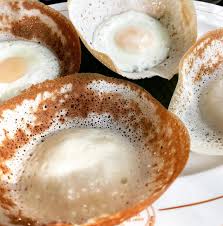
Perfect Hoppers Every Time
Learn the secret to achieving that perfect crispy edge and soft center in your hoppers. The key is in the batter consistency and pan temperature.
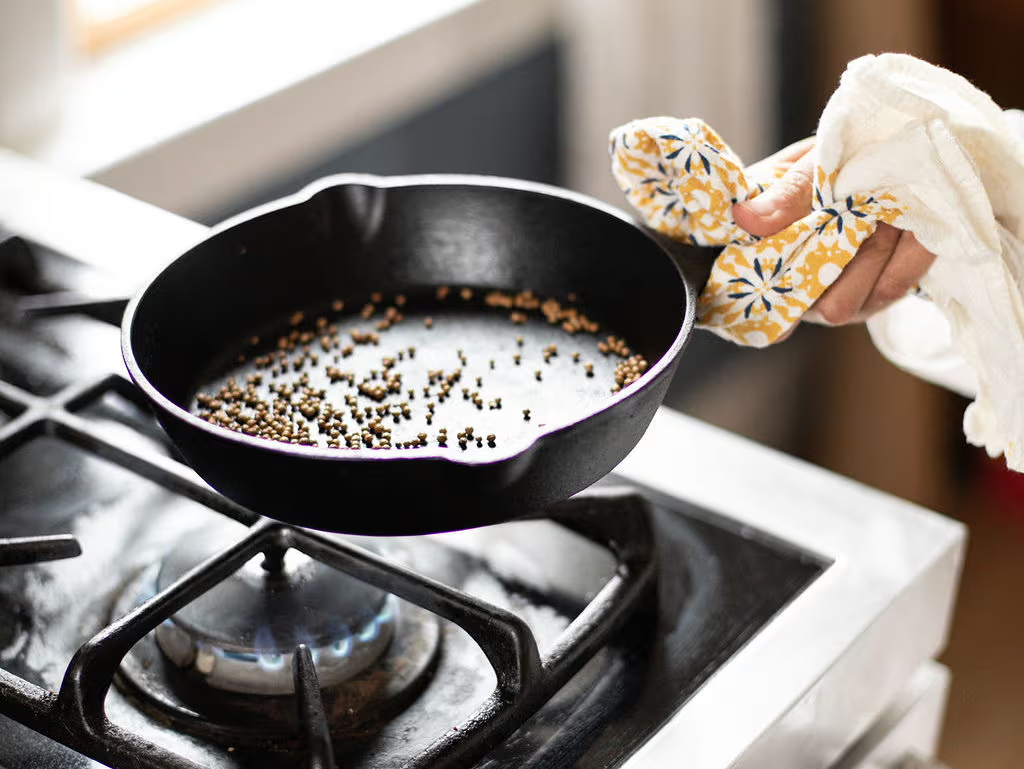
Toasting Spices for Maximum Flavor
Discover how to properly toast and grind spices to release their essential oils and create more flavorful curries and sambols.
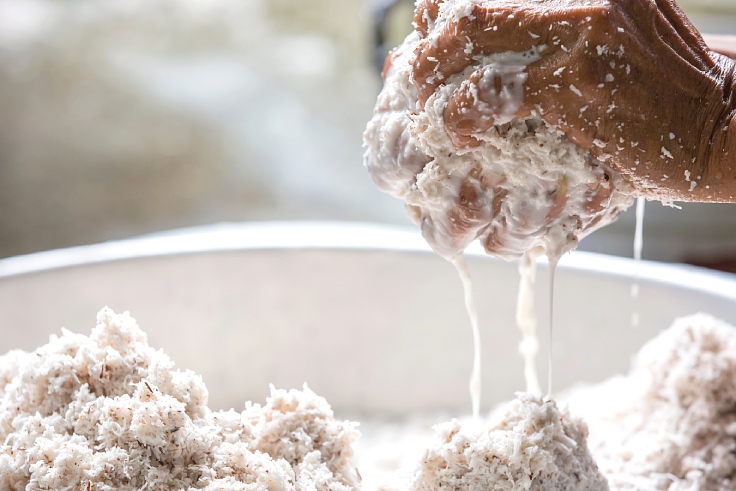
Working with Coconut Milk
Learn when to add thick vs thin coconut milk to your curries and how to prevent curdling for perfectly creamy results.
Sri Lankan Cooking Secrets
Tempering Spices
The art of "thuna paha" - tempering spices in hot oil to release their aroma before adding to dishes. This technique is fundamental to Sri Lankan cooking.
Roasting Curry Powder
Lightly roasting your curry powder before use enhances its flavor profile and gives your curries that authentic Sri Lankan taste.
Coconut Milk Layers
Traditional Sri Lankan curries often use thin coconut milk first to cook ingredients, then add thick coconut milk at the end for creaminess.
Slow Cooking
Many Sri Lankan dishes benefit from slow, gentle cooking to allow flavors to meld together and develop complexity.
Pro Tips from Sri Lankan Chefs
Measure by Eye
Traditional Sri Lankan cooking often relies on estimation rather than precise measurements for authentic flavors.
Fresh is Best
Whenever possible, use fresh ingredients - especially coconut, spices, and herbs for the most authentic taste.
Control the Heat
Learn to adjust heat levels throughout cooking - high for tempering, medium for simmering, low for finishing.
Patience Pays
Don't rush the cooking process. Many Sri Lankan dishes develop their best flavors with time and patience.