Fundamental Cooking Techniques
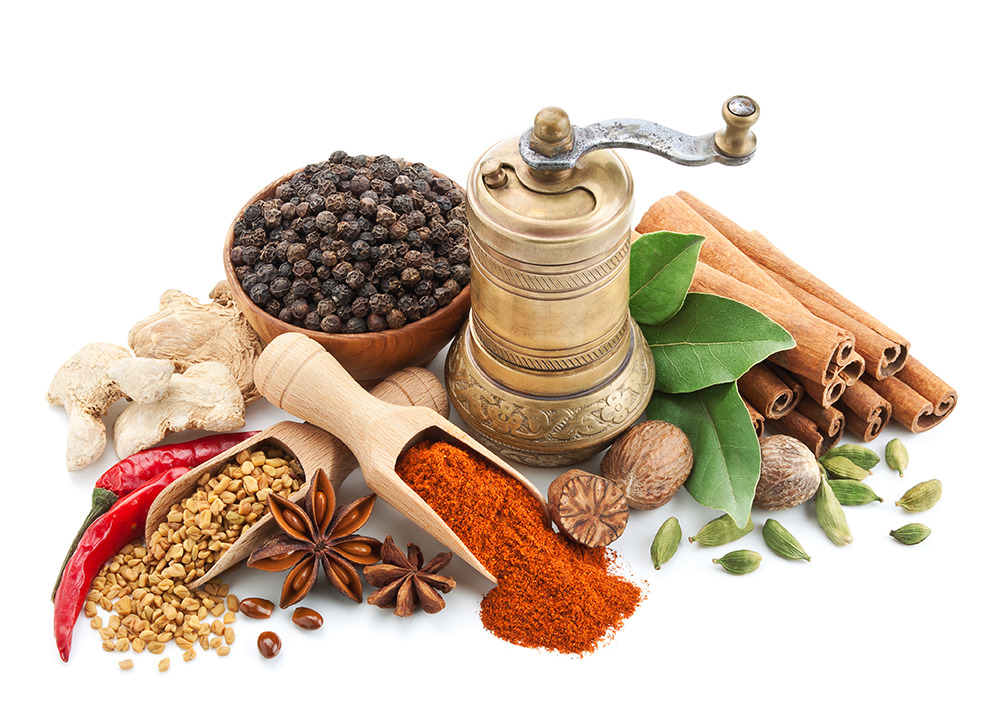
Tempering Spices (Thuna Paha)
The foundation of Sri Lankan cooking where spices are fried in hot oil to release their essential oils and aromas before adding other ingredients.
Steps:
- Heat oil in pan until shimmering
- Add mustard seeds until they pop
- Add curry leaves, pandan, and other aromatics
- Add remaining spices and fry until fragrant
- Proceed with recipe
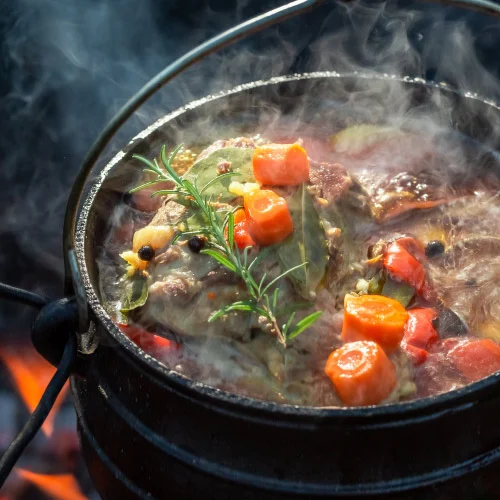
Slow Simmering (Pena)
Gentle, prolonged cooking that allows flavors to meld together and develop complexity, essential for rich curries and meat dishes.
Steps:
- Bring dish to initial boil
- Reduce heat to lowest setting
- Cover partially to allow steam escape
- Cook until meat is tender and sauce thickened
- Stir occasionally to prevent sticking
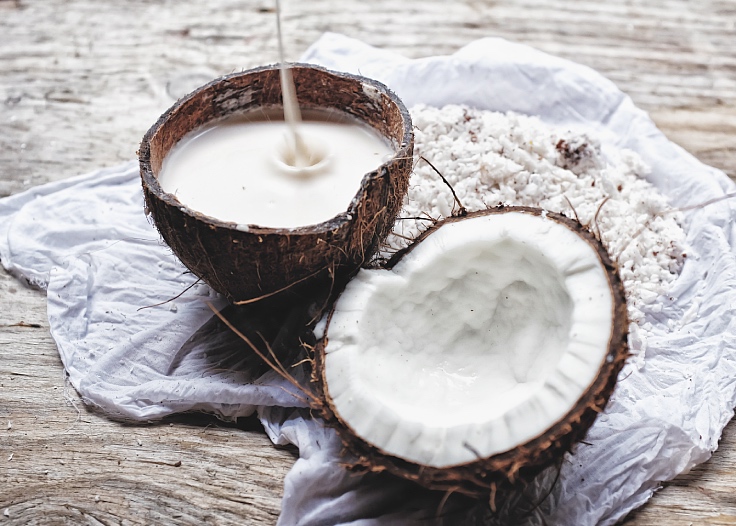
Coconut Milk Layering
The traditional method of adding coconut milk in stages - thin milk first to cook ingredients, thick milk last for creaminess.
Steps:
- Cook spices and main ingredients in thin coconut milk
- Simmer until ingredients are tender
- Add thick coconut milk at the end
- Heat gently without boiling
- Remove from heat once heated through
Traditional Sri Lankan Methods
Clay Pot Cooking
Cooking in traditional clay pots (hathgadia) for even heat distribution and enhanced flavor absorption. Ideal for slow-cooked curries.
Pandan Infusion
Using pandan leaves (rampe) to infuse dishes with a unique aromatic flavor. Often tied in knots and added during cooking.
Stone Grinding
Traditional method of grinding spices and pastes on a stone slab (miris gala) for superior texture and flavor release.
Steaming in Leaves
Cooking food wrapped in banana or jackfruit leaves to impart subtle flavors and retain moisture. Used for hoppers and string hoppers.
Heat Management Guide
Tempering & Searing
For popping mustard seeds, frying curry leaves, and searing meat to lock in juices and develop flavor.
Initial Cooking
For sautéing onions, garlic, and ginger until golden brown, and for the main cooking phase of most dishes.
Simmering & Finishing
For slow cooking curries, adding coconut milk, and keeping dishes warm without overcooking.
Traditional Equipment Guide
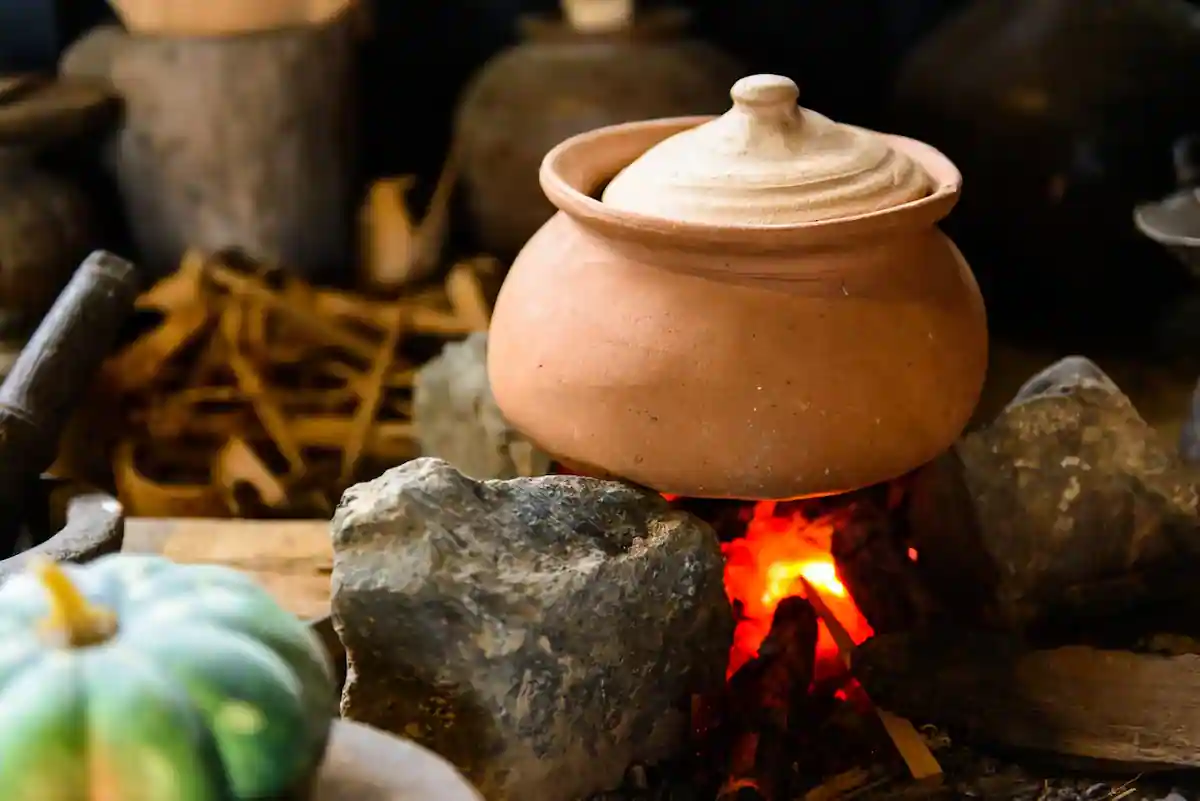
Clay Pot (Hathgadia)
Traditional unglazed clay pots that provide even heat distribution and absorb flavors over time, enhancing the taste of curries.
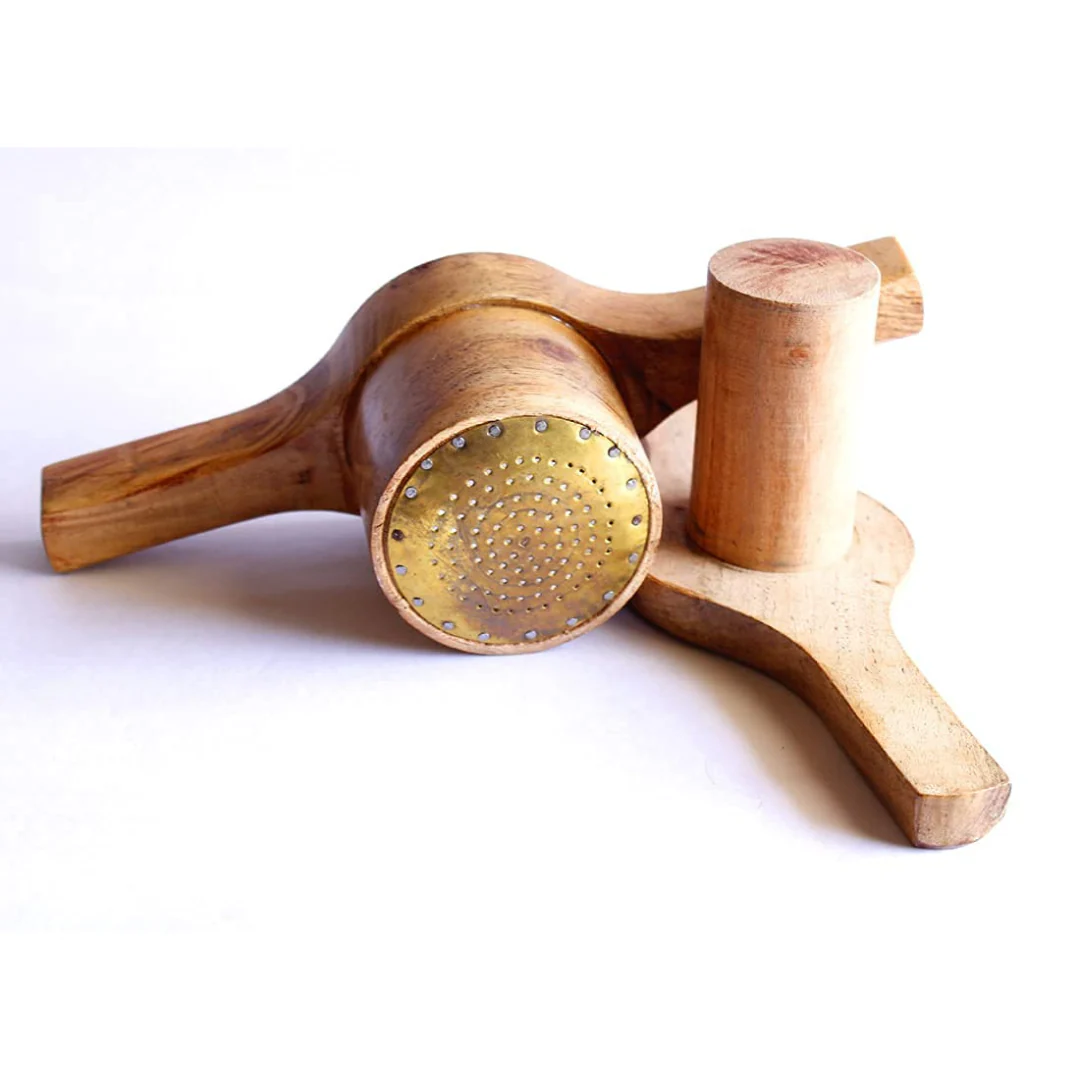
String Hopper Maker (Idiyappam Press)
Special press used to create fine rice flour noodles that are steamed to make string hoppers, a Sri Lankan breakfast staple.
.jpg)
Hoppers Pan (Appachatti)
Small, bowl-shaped pan specifically designed for making hoppers - crispy, bowl-shaped pancakes with soft centers.
Pro Tips from Sri Lankan Chefs
Timing is Everything
Add ingredients in the correct order - hard spices first, then aromatics, then main ingredients, and finally delicate flavors.
Hand Mixing
For some dishes like roti dough, hand mixing creates better texture than using machines.
Temperature Control
Learn to adjust heat intuitively rather than relying solely on stove settings.
Visual Cues
Learn to judge doneness by appearance, aroma, and sound rather than strict timing.